Insights
Short, practical notes on branding, motion, web/UX and AI — the thinking behind the work, written for people running real businesses and products.
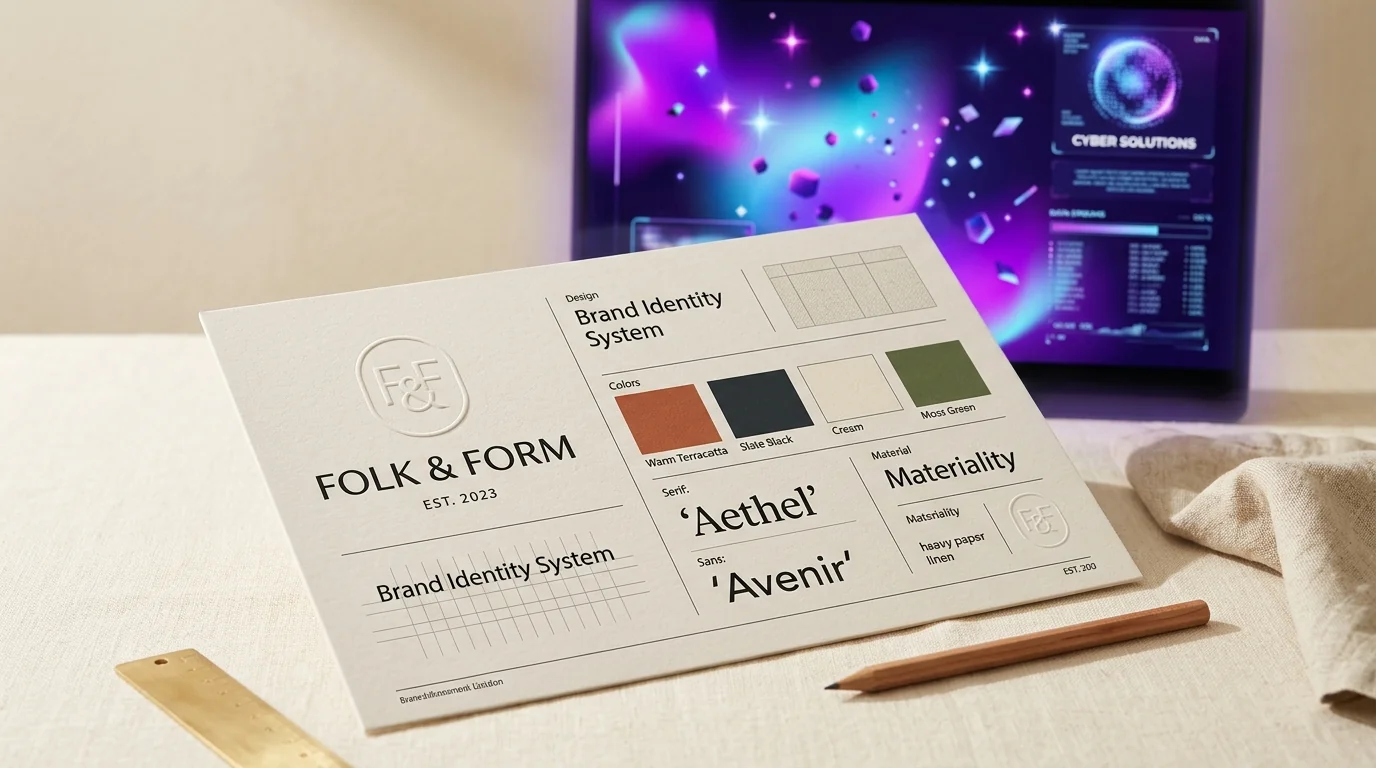
Why AI brands all look the same — and how to look unlike the category
Gradient orbs, sparkles and “intelligence glow” became the default costume for anything tech-adjacent. Distinctive brands in 2026 design around the cliché, not into it — even if you never ship a model.
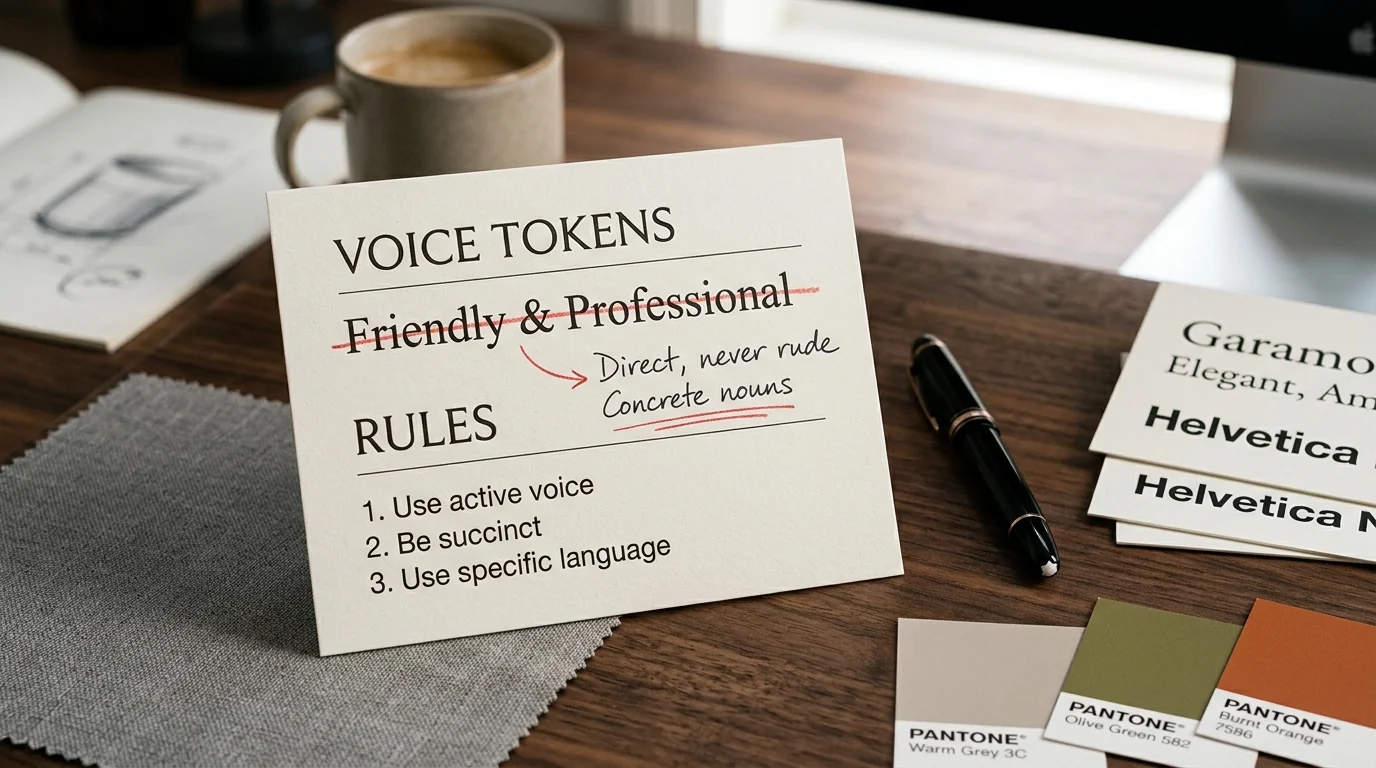
A brand voice AI can actually follow (not “friendly and professional”)
Models do not fail at voice because they are dumb. They fail because the brief is a mood. Treat voice like a design token: traits with flip-sides, banned words, and one paste-ready card.
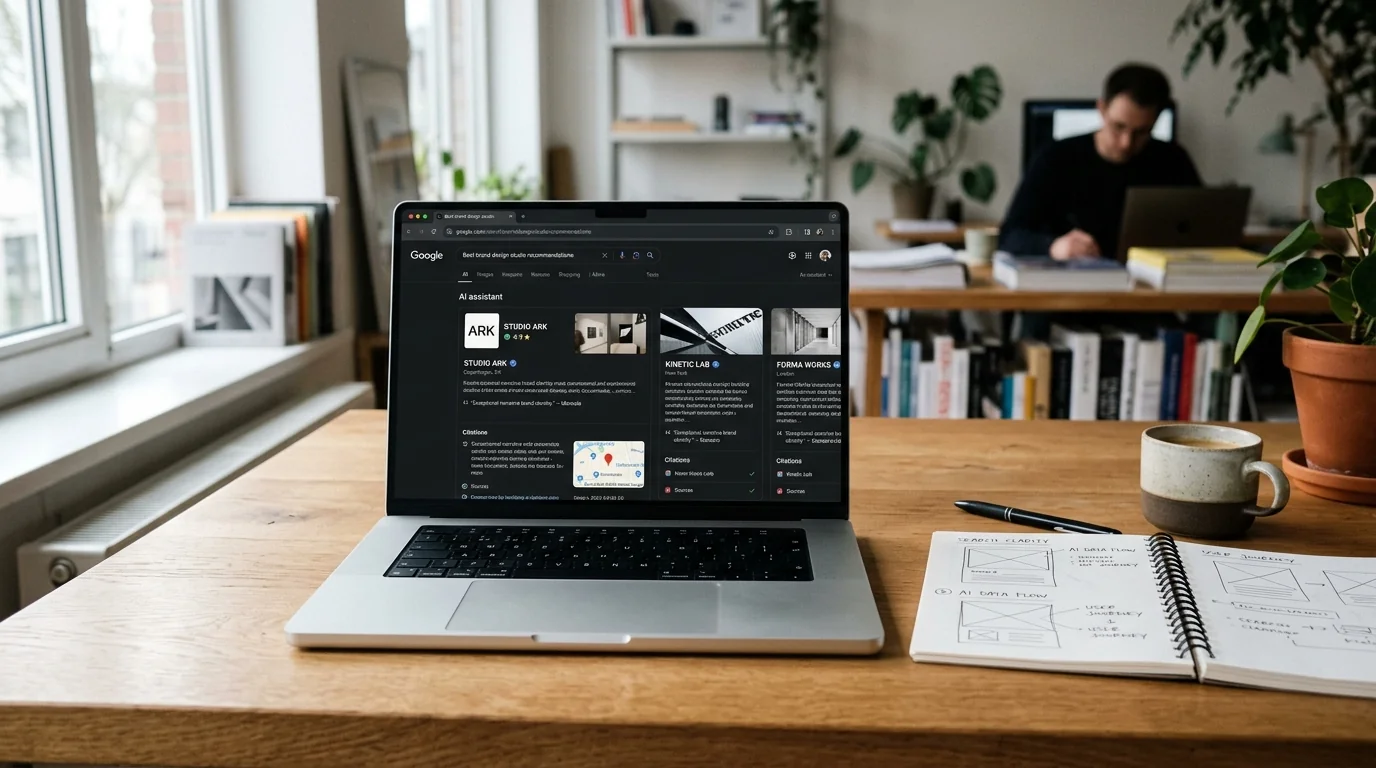
If ChatGPT cannot find your brand, neither can your next client
AI search cites the clearest brands, not the loudest. Structure, one name, and answers a model can quote are now part of identity — not a separate SEO hobby.
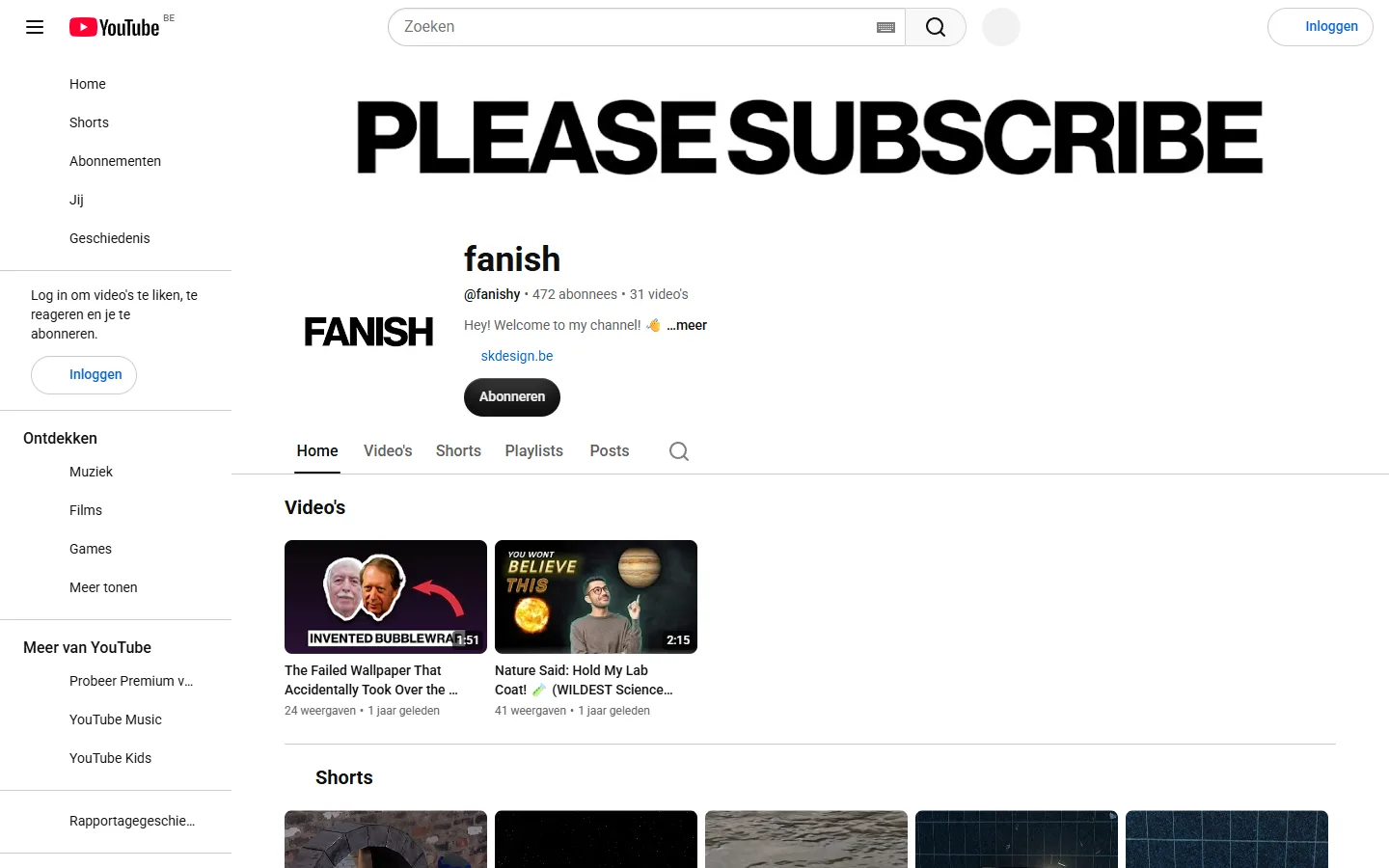
Why 3D explainer shorts work (and how I practice them)
Shorts win attention. 3D wins understanding — when the metaphor is clear. How I train explainer craft on YouTube, and how brands use the same format for product, features and onboarding.
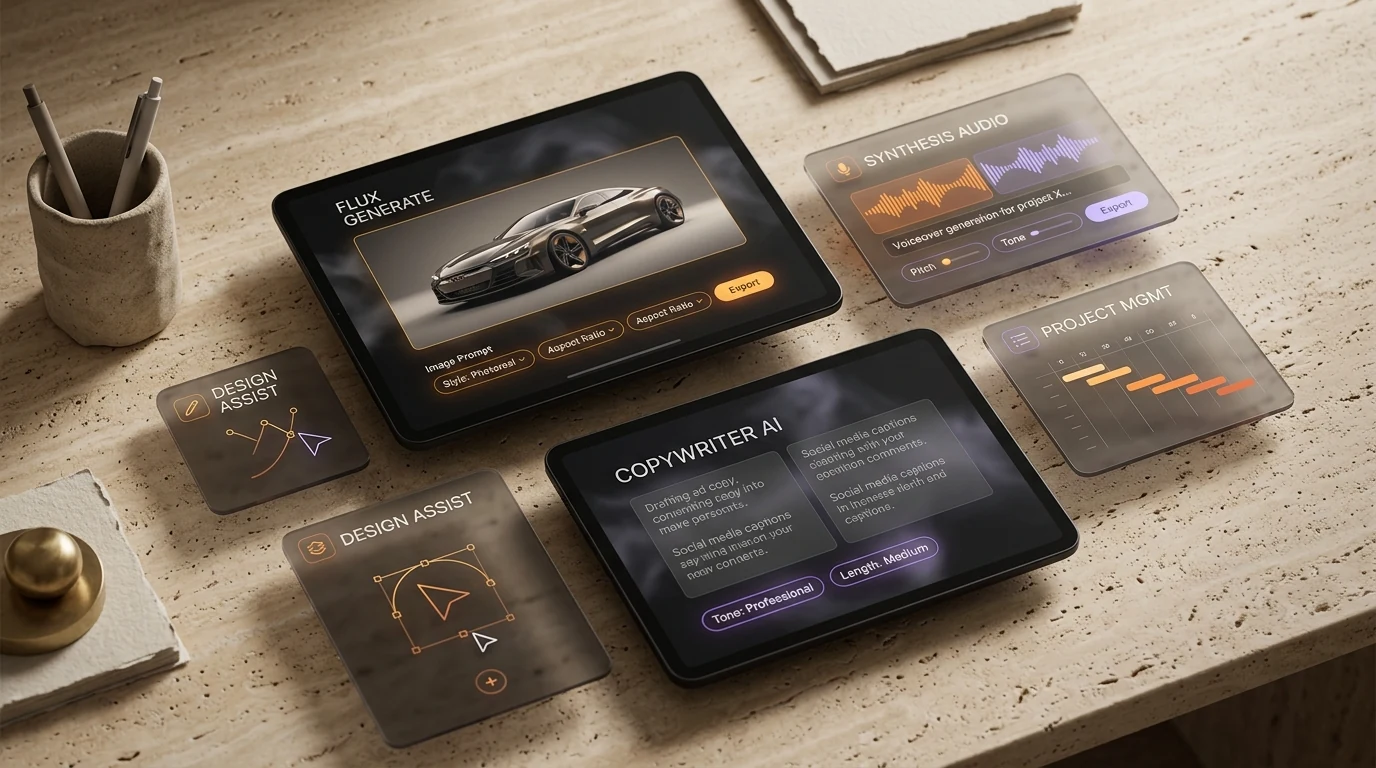
Which AI tools are worth paying for as a freelancer? (2026 Comparison)
Claude Opus 5 & Fable 5 vs GPT-5.6 Sol vs Gemini 3.1 Pro. A visual, honest comparison for creative freelancers — which subscription genuinely pays for itself in time saved and client-ready craft.

How AI is changing branding and web design (and what stays human)
AI sped up exploration, copy drafts and image variants. It did not replace taste, strategy or systems. What actually changed for branding and web in 2026 — for studios, freelancers and founders alike.
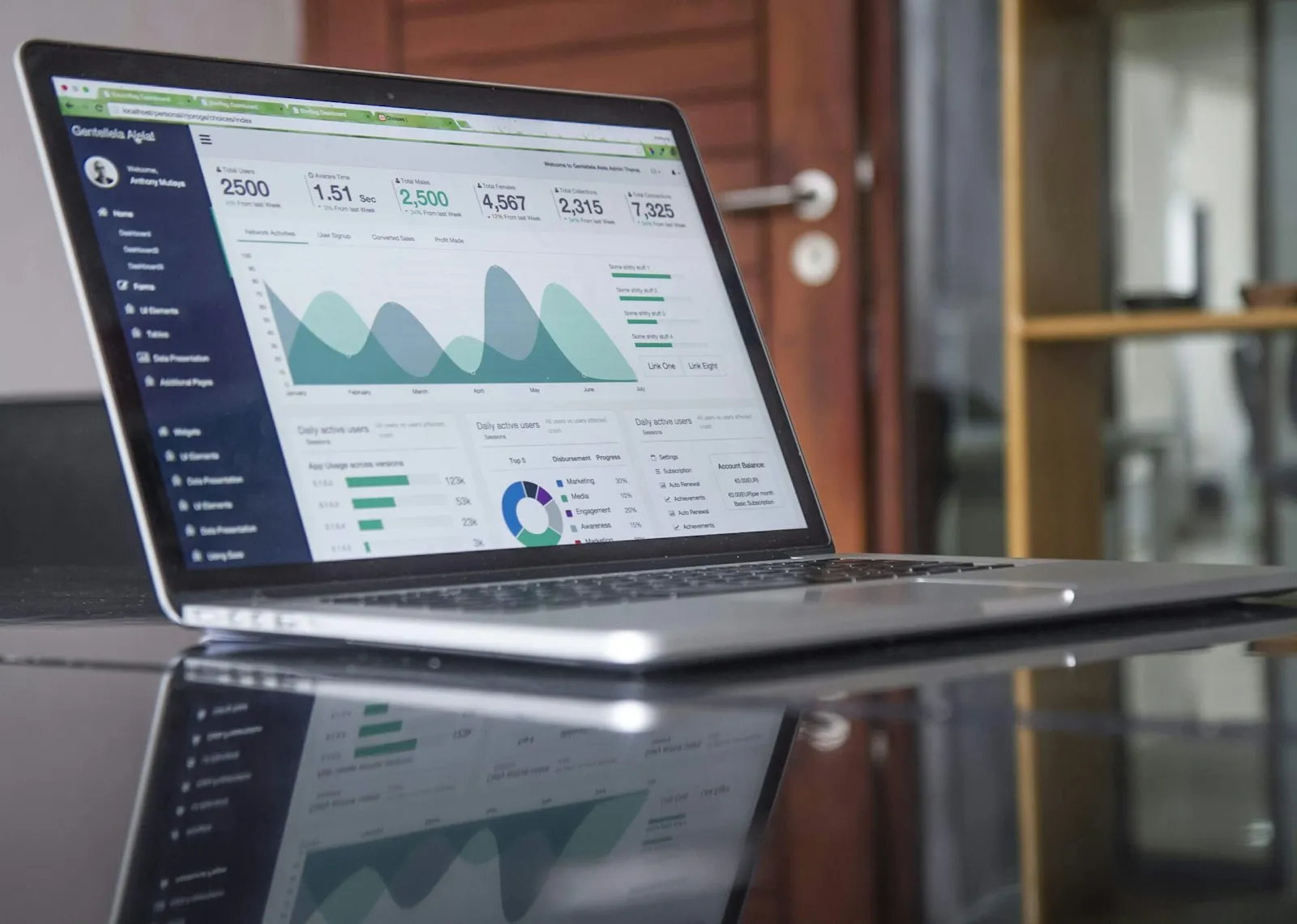
Can you trust AI benchmarks? A practical buyer's guide
Leaderboards sell certainty. Real work needs something else. How to read AI scores, where they mislead, and five real prompts you can paste into a tool this afternoon.
AI image models for design work: what you can trust in 2026
Midjourney, Flux, GPT Image and friends are good at different jobs. A practical trust guide for freelancers, founders and designers — where models shine, where they fail, and when client work still needs a human.
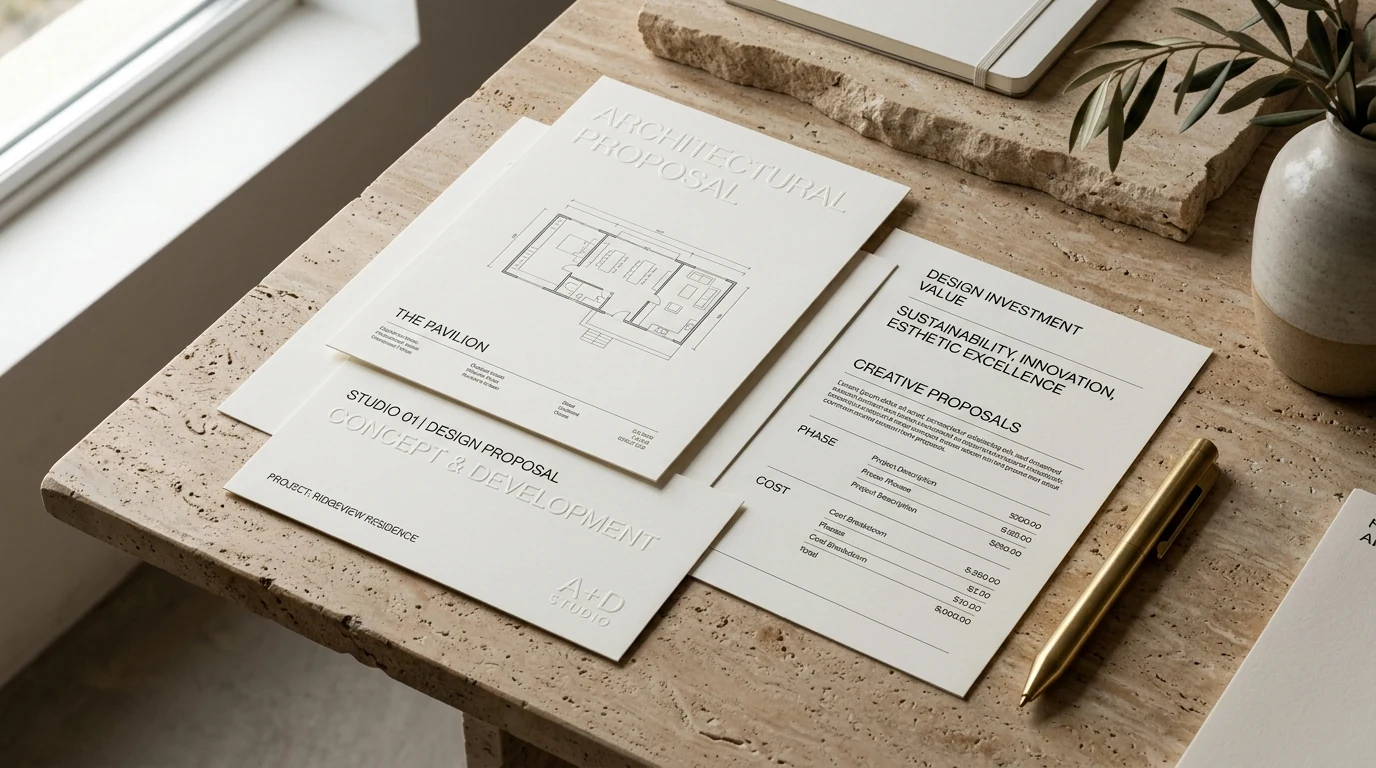
What does professional design actually cost — and why?
Design quotes can range from €200 to €20,000 for what sounds like the same thing. Understanding what drives the difference makes you a smarter buyer.
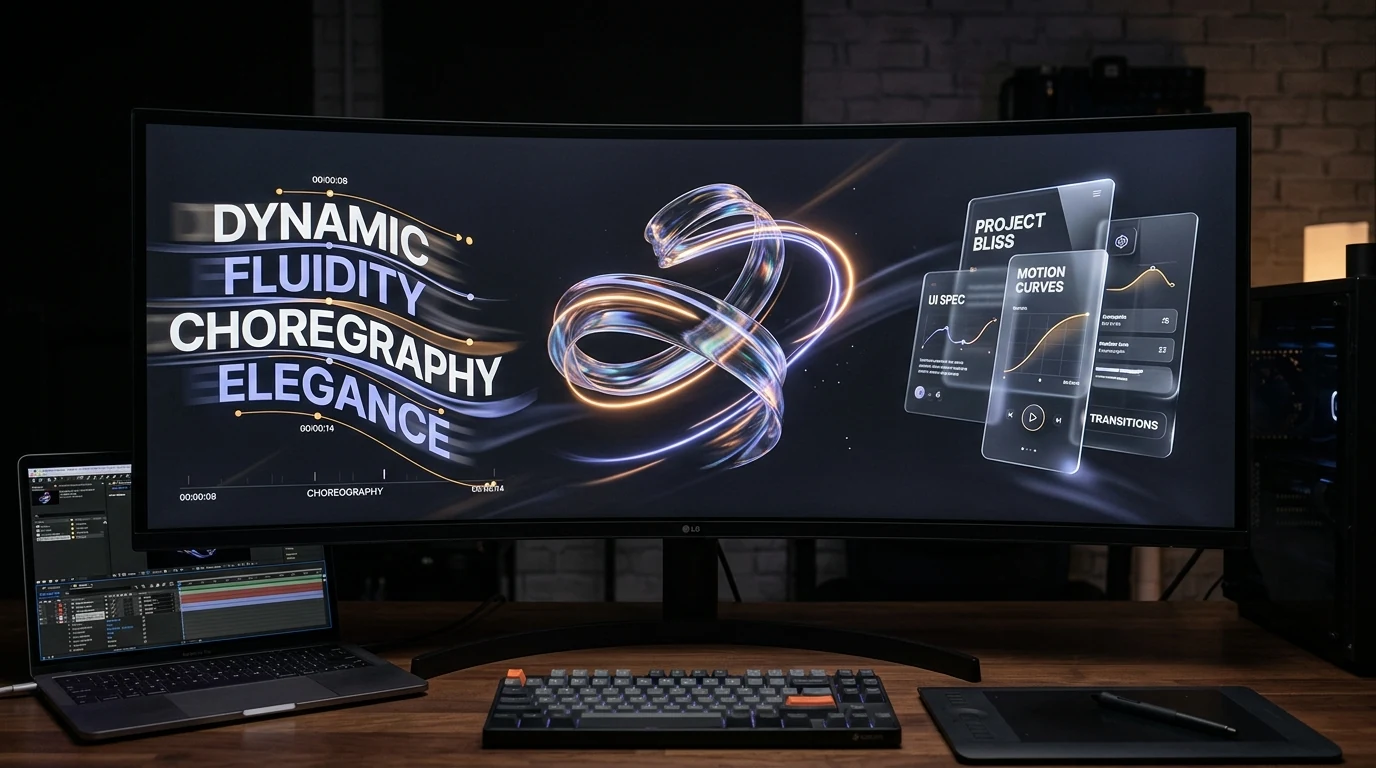
Motion reference libraries beyond Dribbble
Static shots will not teach timing. Where to study real motion — including Mobbin — and when stock loops are enough versus custom motion design.
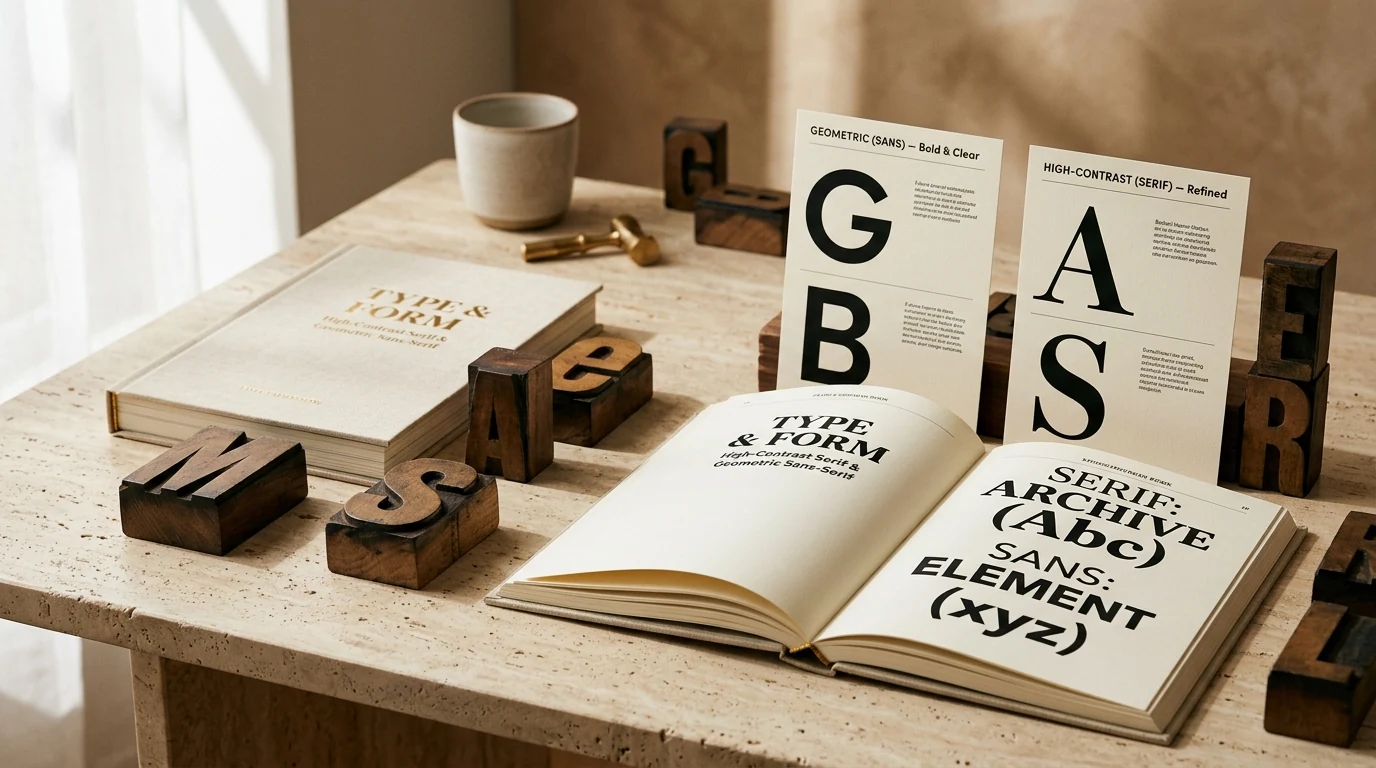
Choosing fonts that actually fit your brand
Typography sets the tone of every word you publish before anyone reads it. How to pick a font pairing with intention instead of habit.
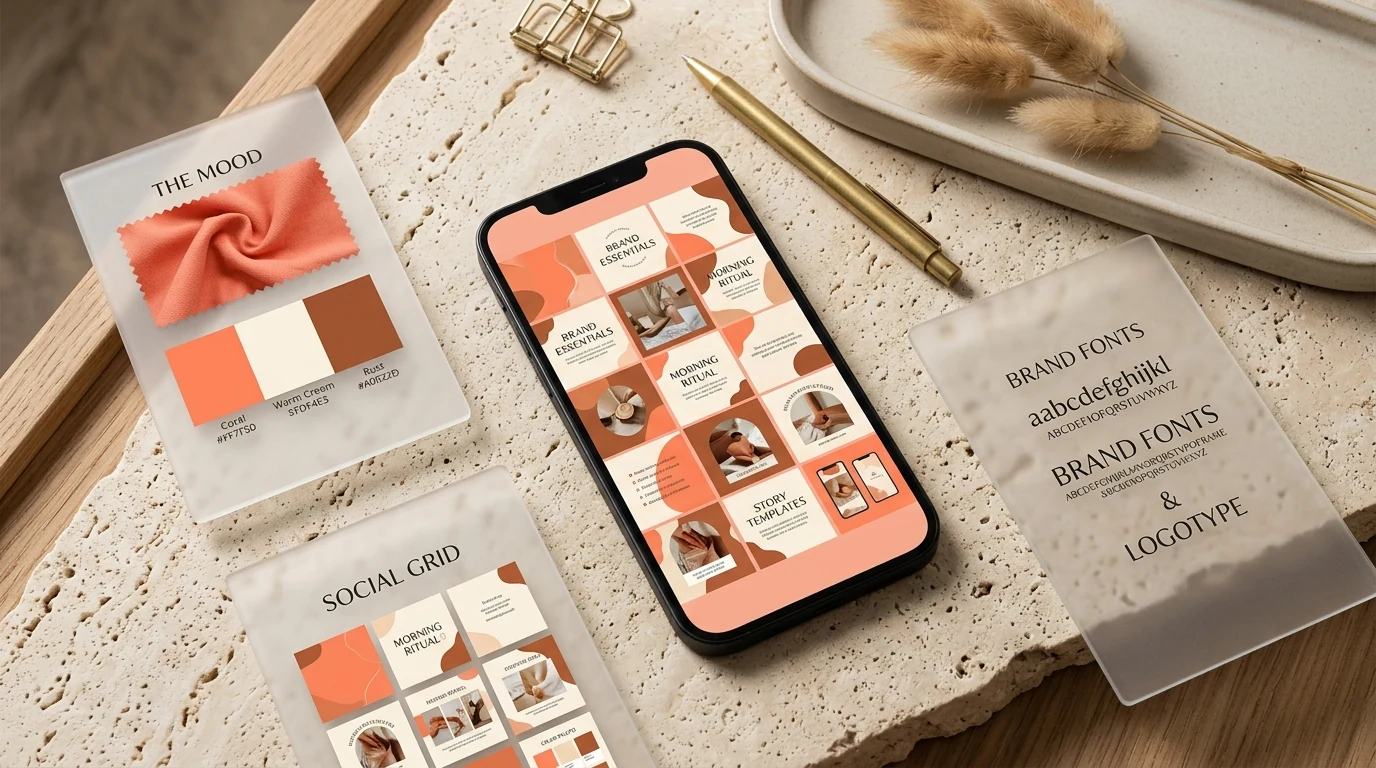
Social templates: consistency without a designer on payroll
You cannot hire a designer for every post — and you should not have to. A small template system keeps your feed on-brand while your team posts independently.

Figma plugins and AI workflows that actually save hours
Not another endless plugin list. A short stack of Figma + AI habits that cut busywork for freelancers and small teams — with links to the tools involved.
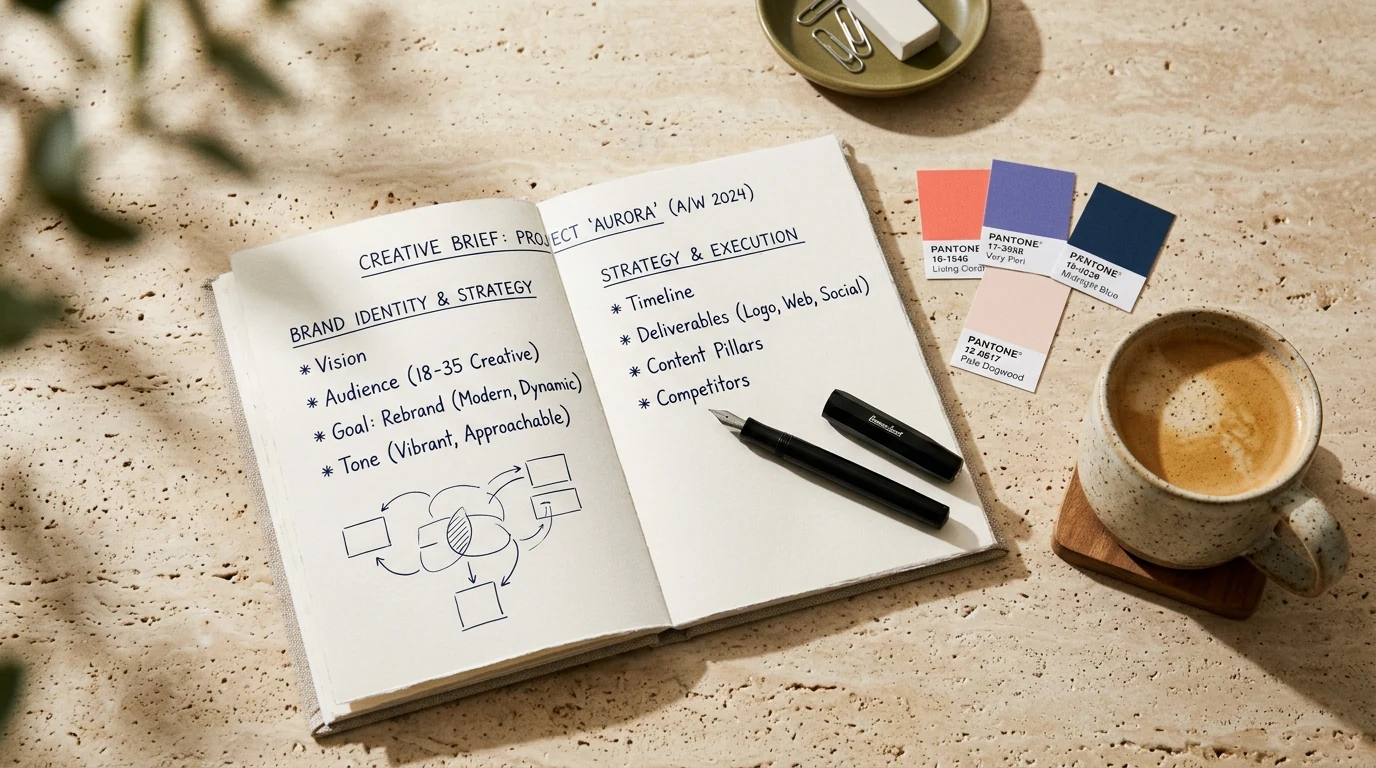
How to brief a designer (and get better work back)
The quality of design you receive is directly linked to the quality of the brief you give. A practical guide to briefing without writing a novel.

Why 3D and VFX are no longer just for big brands
Product renders, 3D logo animations and visual effects used to require agency budgets. Tooling has changed — and small brands can now afford imagery that stands out.
Which AI tools are worth paying for as a freelancer?
Free tiers feel free until they cost hours. A frank ROI take on coding agents, video AI and image models — and when the free plan is still the smart move.
Five signs your website is costing you clients
Most underperforming websites fail for the same handful of reasons. Here are five warning signs you can check in ten minutes — and what to do about each.
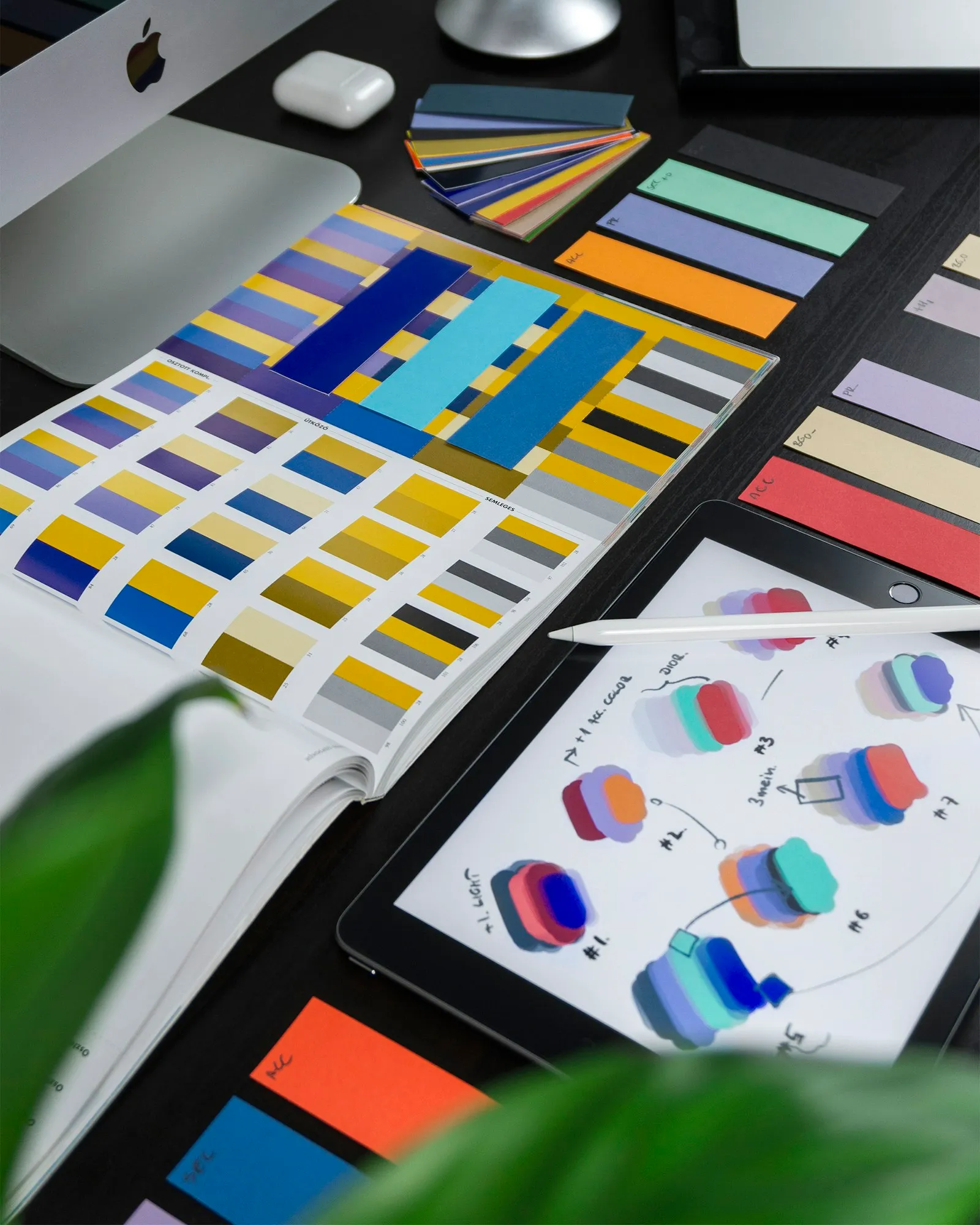
Logo vs. brand identity: what are you actually paying for?
A logo and a brand identity are not the same purchase. Understanding the difference helps you brief better, budget better and get work that lasts longer.

Where to find design inspiration in 2026 (without drowning in tabs)
Mobbin, Dribbble, Behance, Awwwards and Pinterest each solve a different problem. A practical map of when to use which — so inspiration sessions stay useful.

Designing a website that actually converts
A good-looking site is not the goal — a site that turns visitors into enquiries is. Here are the UX fundamentals that move the needle.

Mobbin vs Dribbble: where designers should look for inspiration
Dribbble is free, social and shot-driven. Mobbin is paid, flow-driven and closer to real apps — including motion. Pros, cons, and when to open which tab.
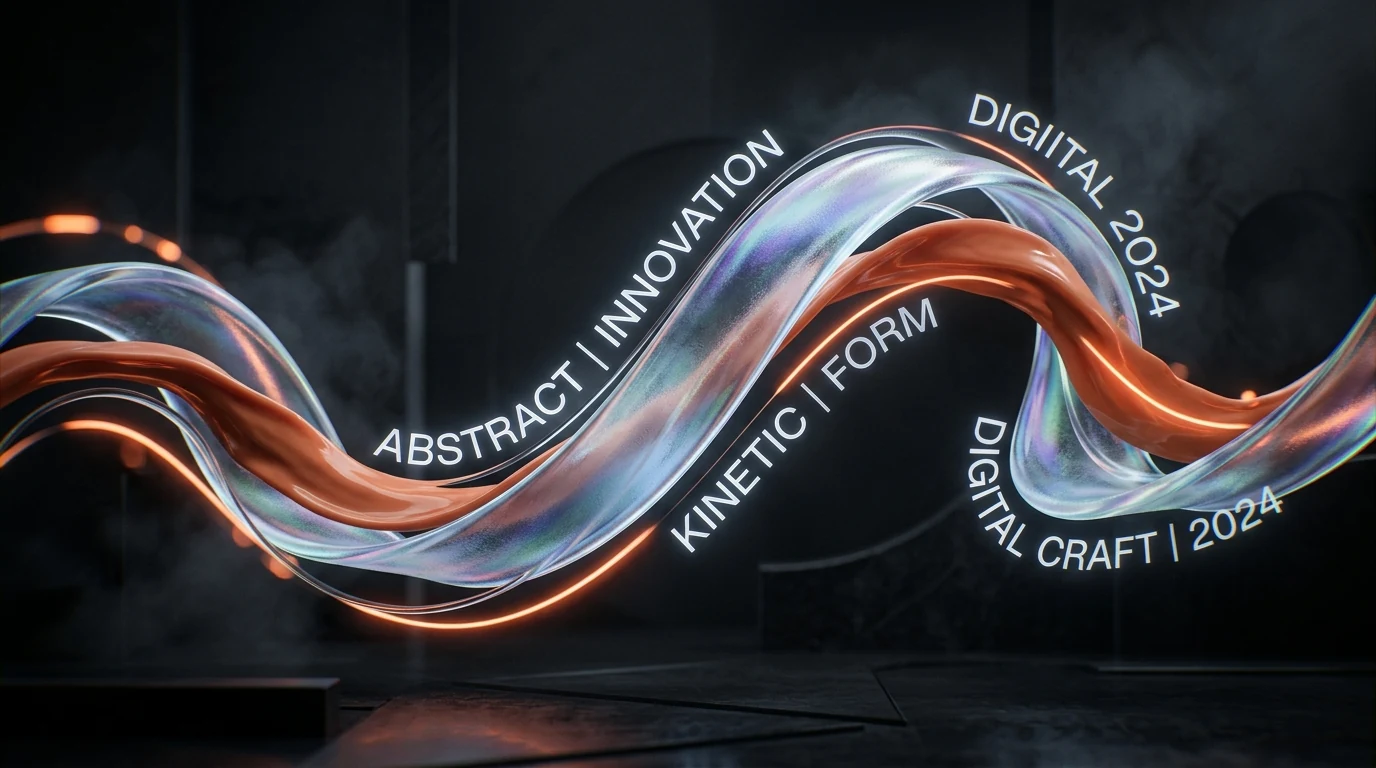
What motion design actually adds to a brand
Motion is not decoration. Used well, it guides attention, explains complex ideas fast, and makes a brand feel alive across social, web and video.

Generative UI & AI Canvas Workflows in 2026
How modern digital studios use v0, Bolt, Claude Artifacts and Figma AI to prototype production-ready micro-layouts 10x faster without sacrificing visual polish.
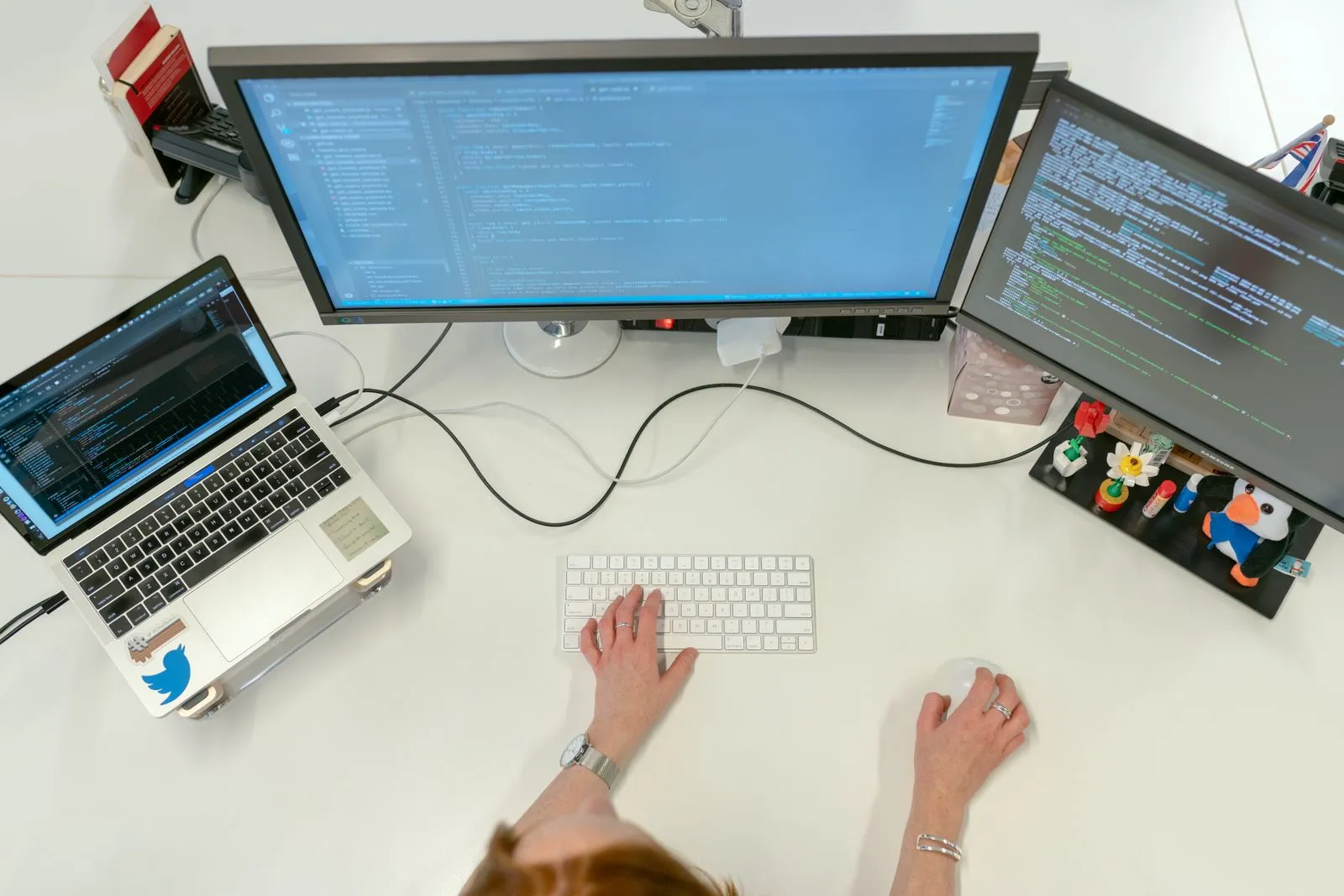
Spatial Web Design: Bringing 3D & Real-time VFX to Web Browsers
How WebGL, WebGPU, and Three.js are transforming flat marketing sites into spatial, interactive 3D brand experiences that drive audience engagement.

Best AI for video creation in 2026: social clips to cinematic shots
Runway, Kling, Luma and CapCut each win different jobs. How to pick a video AI stack for social content, brand films and quick client drafts — without burning credits on the wrong tool.

Design Systems That Scale Without Bloat
Why massive 200-page component libraries fail, and how modern brands build lightweight token systems in Figma and Tailwind CSS.
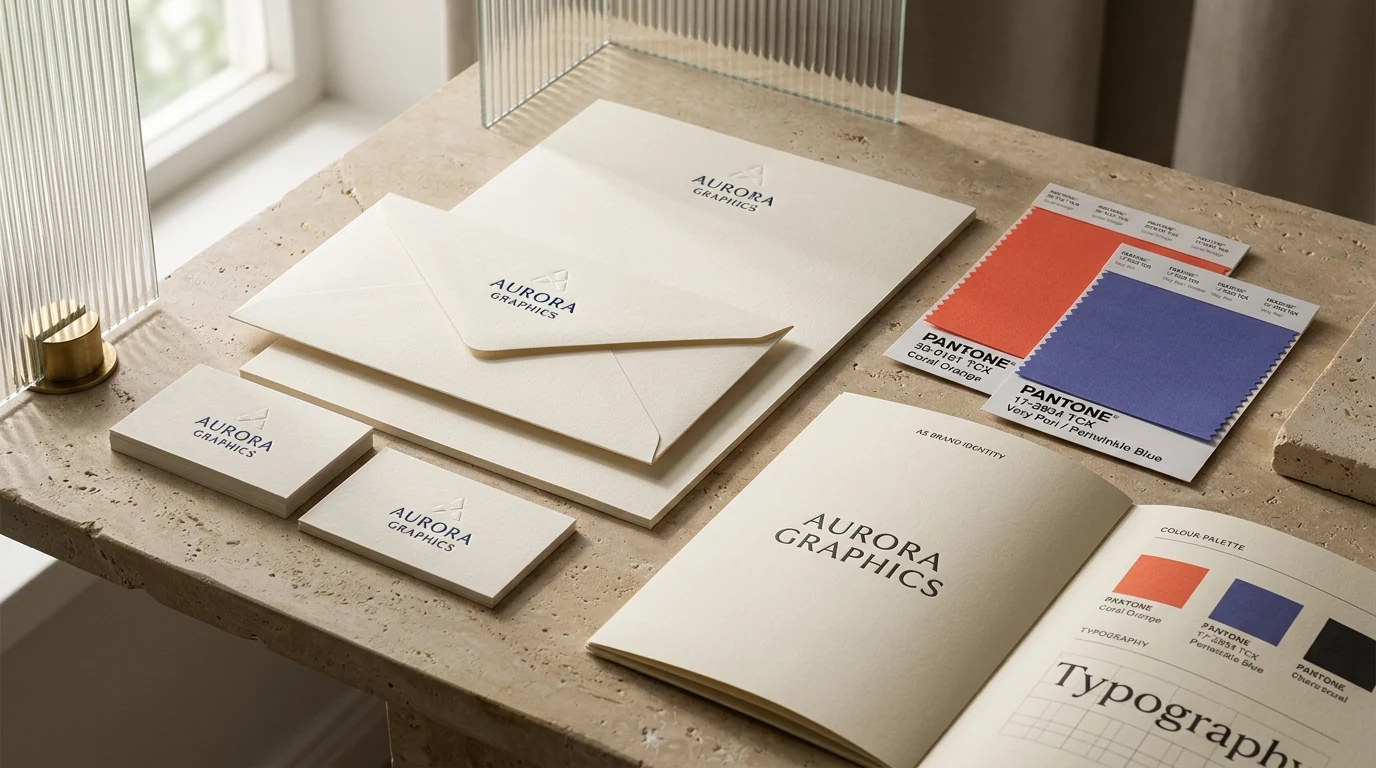
Branding basics for small businesses
What a brand actually is beyond a logo, and the small set of decisions that make a young business look consistent, trustworthy and memorable.

Best AI for agent coding in 2026: what actually ships code
Cursor, Claude, Copilot and Windsurf all claim to be your coding agent. A practical comparison for freelancers and builders — trust, cost, and when human review still saves the project.